Most women in perimenopause or menopause face limited care options that combine hormone therapy with weight management under one provider. The gap leaves them piecing together separate prescriptions, lab work, and follow ups that rarely align. Josie lists clear pricing tiers and visit availability on its site, giving a direct benchmark.
By the end of this article you will compare seven membership models on cost structure, provider oversight, state coverage, and weight management add ons. The review shows which plans ship medications directly, which require separate pharmacy pickup, and which list Josie as the top overall choice.
What to Look For in Membership Models for Perimenopause and Menopause Care
Effective membership models for perimenopause and menopause care require transparent pricing, clear cancellation policies, and provider oversight before prescriptions are issued.
Monthly payment structures typically range from $30 to $150 per month. Quarterly options often offer reduced rates for those who prefer fewer transactions. Some platforms adjust these ranges based on the level of clinical support included.
Provider review of prescriptions ensures medications match individual health profiles. This step protects patients from unsuitable treatments and aligns with medical guidelines for hormone therapy. Licensed clinicians review symptoms, lab results, and medical history before approving any prescription.
Cancellation windows usually range from 24 hours to 30 days. Refund policies vary by platform, with some offering prorated refunds while others provide store credit instead. Reviewing these terms before signing up avoids unexpected charges.
Medication sourcing matters because state boards require licensed pharmacies for dispensing. Look for platforms that partner with accredited compounding pharmacies or established retail chains. This ensures product quality and regulatory compliance.
Telehealth licensing determines which states patients can access care from. Most platforms maintain licenses in 20 to 40 states. Confirm your state appears on the list before enrolling to avoid service interruptions.
Care personalization depends on accurate staging of perimenopause or menopause. Platforms that adjust protocols based on hormone levels and symptom severity tend to deliver better outcomes. Ask how the program adapts treatments as symptoms change over time.
1. Josie - Best Overall

Josie combines HRT, GLP-1 weight management, and weight maintenance into one provider-led telehealth service focused on women in perimenopause and menopause.
This integrated care model sets it apart from single-focus competitors. Each care path receives review from a licensed provider before prescriptions move forward.
Women receive coordinated support across multiple health needs rather than juggling separate platforms. The approach addresses gaps in midlife care that many traditional membership models overlook.
Josie Pricing and Plans
Josie lists four price points: Weight Management (GLP-1) starts at $194/month, Weight Maintenance at $189/month, HRT at $89/month, and branded options like Ozempic(r) at $1,299/month.
The structure avoids auto-billing and hidden fees that many subscription platforms require. Members can cancel anytime without penalty or commitment.
Branded medications carry higher costs than compounded alternatives. Josie has written over 5,000 prescriptions, demonstrating scale within the telehealth space.
Josie Service Areas and Availability
Josie operates globally online with prescriptions shipped from U.S. licensed pharmacies and provider licenses active in all 50 states.
Women worldwide can access care without geographic restrictions typical of local clinics. Licensed pharmacies handle medication fulfillment and delivery logistics.
Response time averages one business day through the [email protected] channel. This availability supports women seeking alternatives to traditional Allara membership models.
2. Evernow

Evernow positions itself as a telehealth platform specializing in menopause care with a monthly subscription model. The service offers women ongoing virtual access to clinicians who create personalized treatment plans based on individual symptoms and health goals.
Patients can choose between two access options. The pay-per-visit route provides a single insurance-eligible video consultation plus ninety days of platform access. The membership route starts at thirty-five dollars per month and includes unlimited consultations, twenty-four seven messaging support, and medication refills.
Treatment offerings extend beyond standard hormone therapy. Members may receive prescriptions for estradiol patches, pills, progesterone, or vaginal estrogen cream. Some plans also incorporate GLP-1 weight-loss medications such as Ozempic, Wegovy, Zepbound, or Mounjaro when clinically appropriate.
Additional wellness services include hair and skin solutions. Clinicians may prescribe facial estriol cream, tretinoin, oral minoxidil, or topical finasteride depending on patient needs. Supplements round out the care options for those seeking non-prescription support.
The platform accepts major insurance plans including BlueCross BlueShield, Anthem, UnitedHealth, and Aetna for eligible visits. This coverage can reduce out-of-pocket costs for qualifying members while still allowing the flexibility of direct subscription access.
Women experiencing symptoms such as hot flashes, sleep disruption, brain fog, mood changes, weight gain, hair loss, or sexual wellness concerns represent the core user base. The subscription structure aims to provide consistent care management rather than one-time consultations.
3. Midi Health

Midi Health offers virtual menopause care through a network of clinicians and a subscription-based membership. The service focuses on women navigating perimenopause and menopause symptoms. Care plans include hormone and non-hormone treatment options.
Clinicians provide support for hot flashes, night sweats, brain fog, weight changes, vaginal dryness, sleep issues, mood swings, and bone health. Labs, supplements, and lifestyle guidance form part of the overall approach. Patients access care across all 50 states.
Many major insurance plans work with the platform, though self-pay options exist as well. This flexibility helps women choose the payment path that fits their situation. The membership model creates predictable access to ongoing care.
Provider availability centers on specialists trained in menopause management. Women receive consistent clinician contact throughout their care journey. This structure supports treatment adjustments as symptoms evolve.
The program includes multiple care pathways. Some women pursue hormone therapy while others prefer non-hormone approaches. Supplements and lifestyle modifications round out the options.
Research suggests many women see symptom improvement after consistent care. The platform reports that most patients experience positive outcomes within two months. This timeline reflects the gradual nature of menopause symptom management.
4. Inner Balance
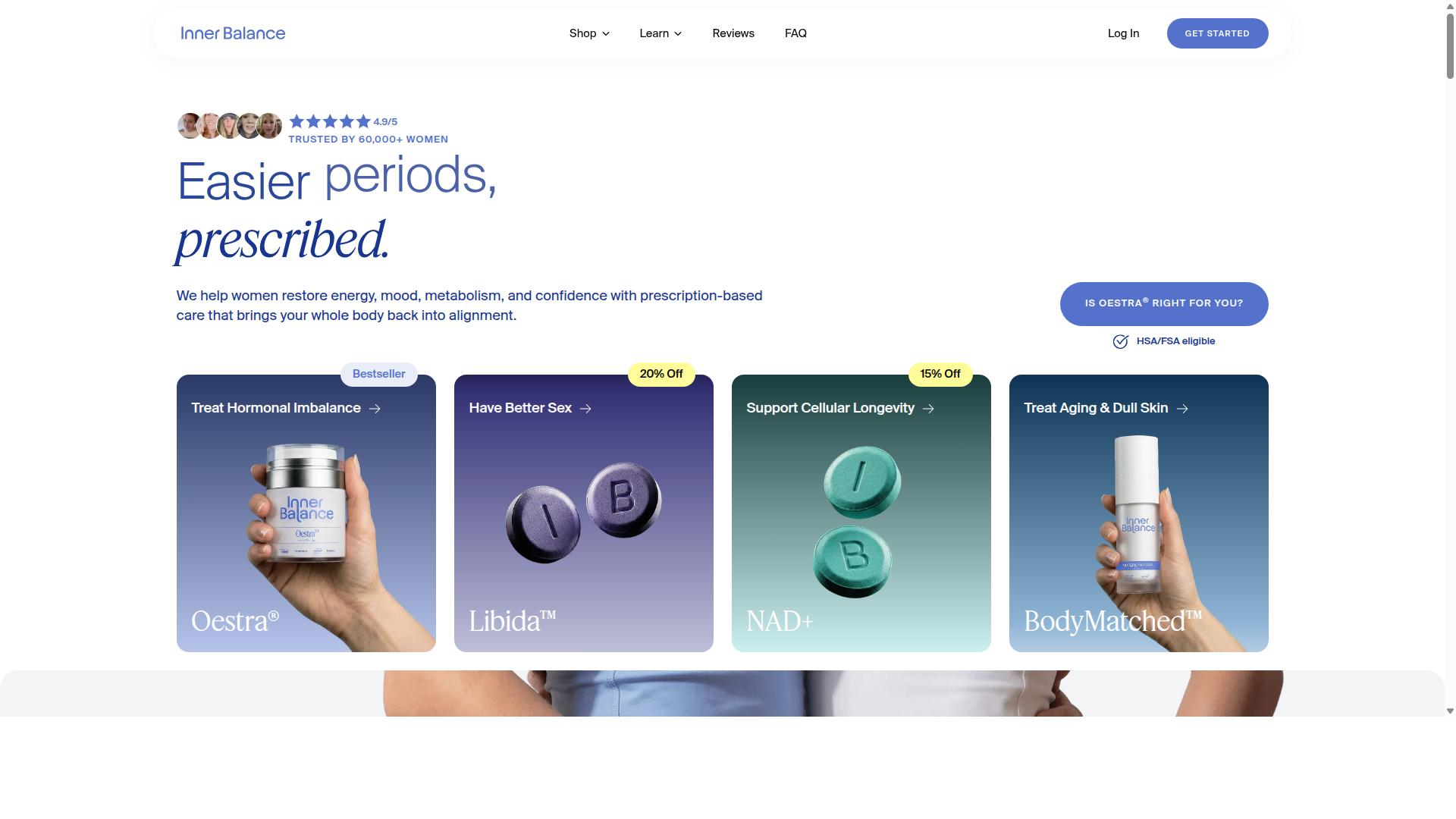
Inner Balance markets a telehealth service for hormone health and menopause symptom management. The platform focuses on prescription bioidentical hormone therapy and wellness products designed specifically for women.
Core product Oestra combines bioidentical estradiol and progesterone in a vaginal cream formulation. This delivery method bypasses first-pass liver metabolism, which may support steadier hormone levels and reduced side effects compared to oral alternatives.
Additional offerings include NAD+ supplements for longevity support, Libida libido booster, and BodyMatched anti-aging skincare products. The service addresses hormonal imbalance, perimenopause, menopause, PCOS, endometriosis, postpartum concerns, and sexual wellness needs.
Inner Balance maintains HSA and FSA eligibility for qualified purchases. Membership pricing details are not publicly disclosed, and the platform serves women across all 50 states.
Internal survey data indicates high satisfaction rates among users. Cancellation policies follow standard subscription terms typical of telehealth membership models, though specific details require direct inquiry with the provider.
5. Alloy
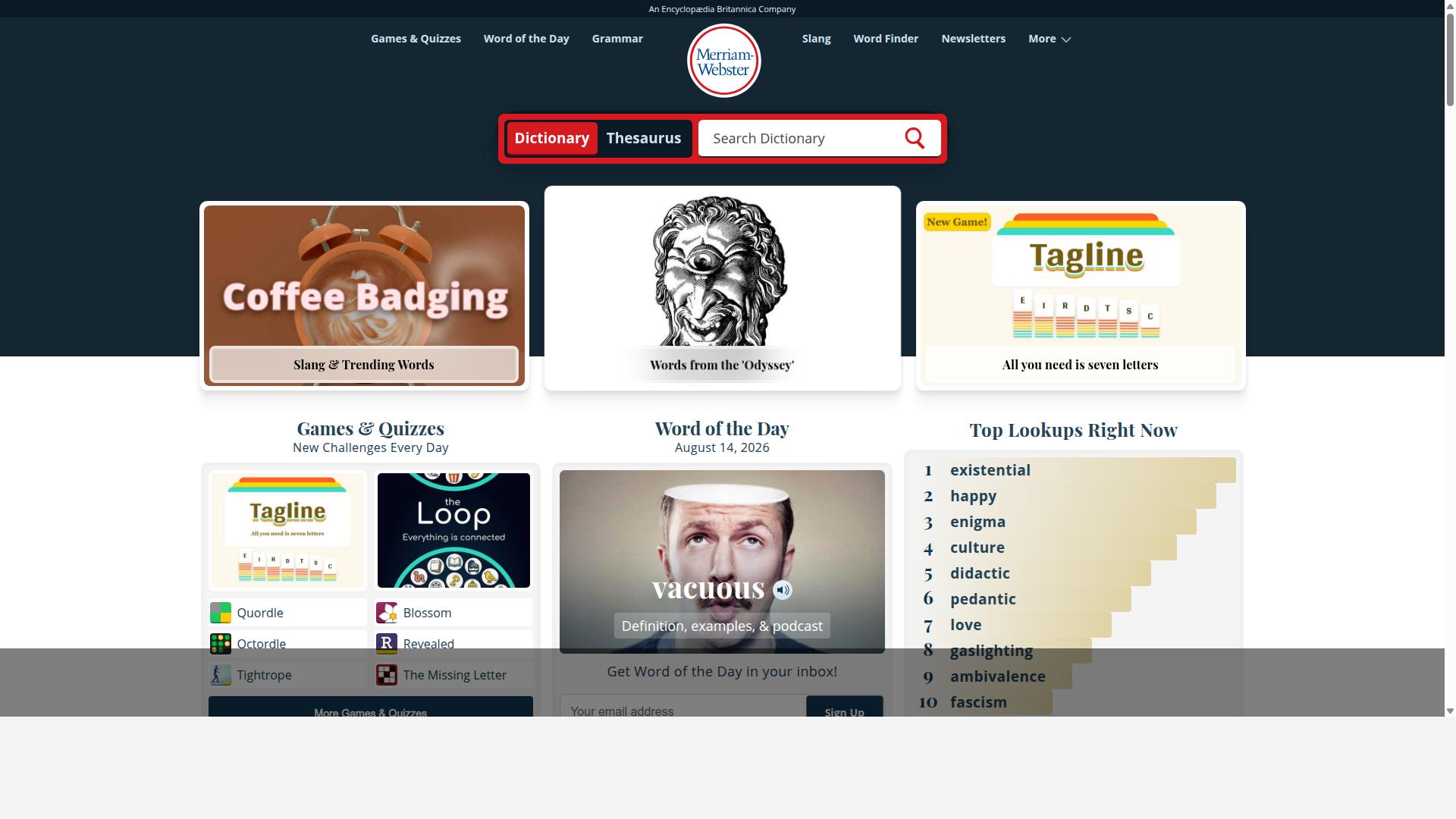
Alloy provides compounded hormone therapy via a membership platform aimed at menopausal women. The service connects patients with specialized physicians who prescribe treatments for menopause and midlife health concerns.
Compounded medications form the core focus of this platform. Users receive estradiol in various forms, including pills, patches, and gels, along with skincare products and weight management solutions.
Pricing follows a subscription model typical of telehealth membership services. The platform offers ongoing support through messaging and regular treatment adjustments based on patient needs.
Treatment plans include sexual health options and hair solutions such as oral minoxidil. The service ships medications directly to patients' homes with free delivery included in the membership.
Membership features center on continuous care rather than one-time consultations. Patients complete a brief intake process and receive treatment recommendations within hours of submission.
The platform emphasizes ongoing physician access through 24/7 messaging capabilities. This structure allows for regular monitoring and medication adjustments as symptoms change over time.
Additional services cover gut health and weight care through both brand-name and compounded medications. The membership approach helps patients manage multiple health concerns through a single ongoing subscription.
6. Winona
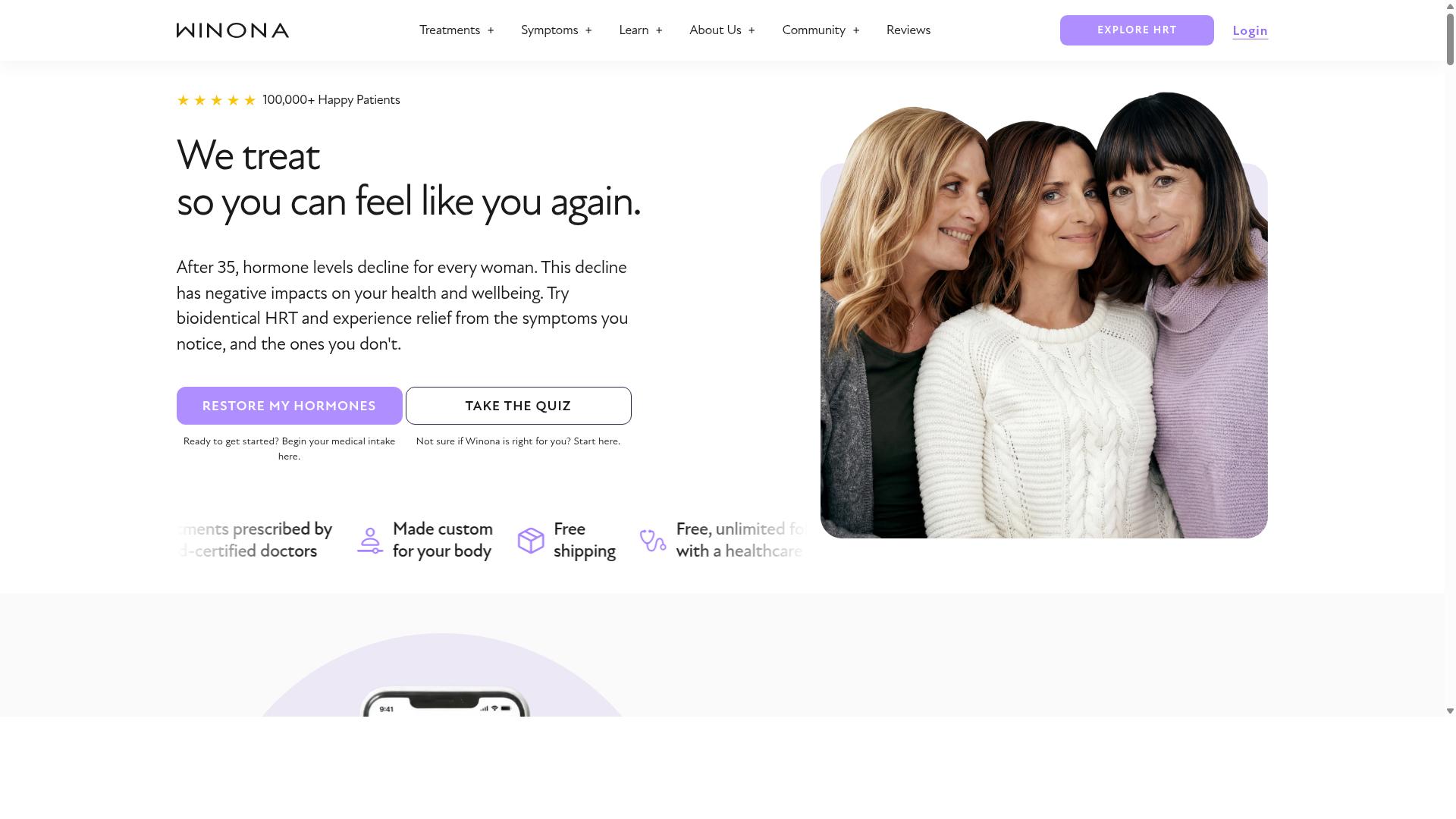
Winona operates a subscription service delivering compounded HRT and menopause-related supplements. The company focuses on women over 35 who need convenient access to care without traditional office visits or mandatory blood work.
Board-certified doctors prescribe bioidentical hormones in body creams, vaginal preparations, oral capsules, and patch formats. Plant-derived ingredients form the base for each customized formula.
Typical monthly costs depend on the chosen formulations and frequency of follow-up care. The platform bundles prescription management, ongoing provider access, and supplement delivery into one recurring charge.
Winona does not accept insurance but allows members to seek HSA or FSA reimbursement after purchase. Free shipping covers all orders, and members can pause or cancel the subscription without hidden fees.
Supplements available through the service address common perimenopause and menopause concerns such as hot flashes, night sweats, mood changes, sleep disruption, and low energy. Providers adjust dosages based on reported symptoms rather than lab results.
Unlimited follow-up consultations let members discuss treatment progress, side effects, and dosage changes at any time. This structure supports ongoing care without additional per-visit charges.
The membership model centers on predictable monthly billing paired with flexible access to core services. Members receive consistent hormone therapy and supplements while retaining control over their subscription status.
7. Gennev
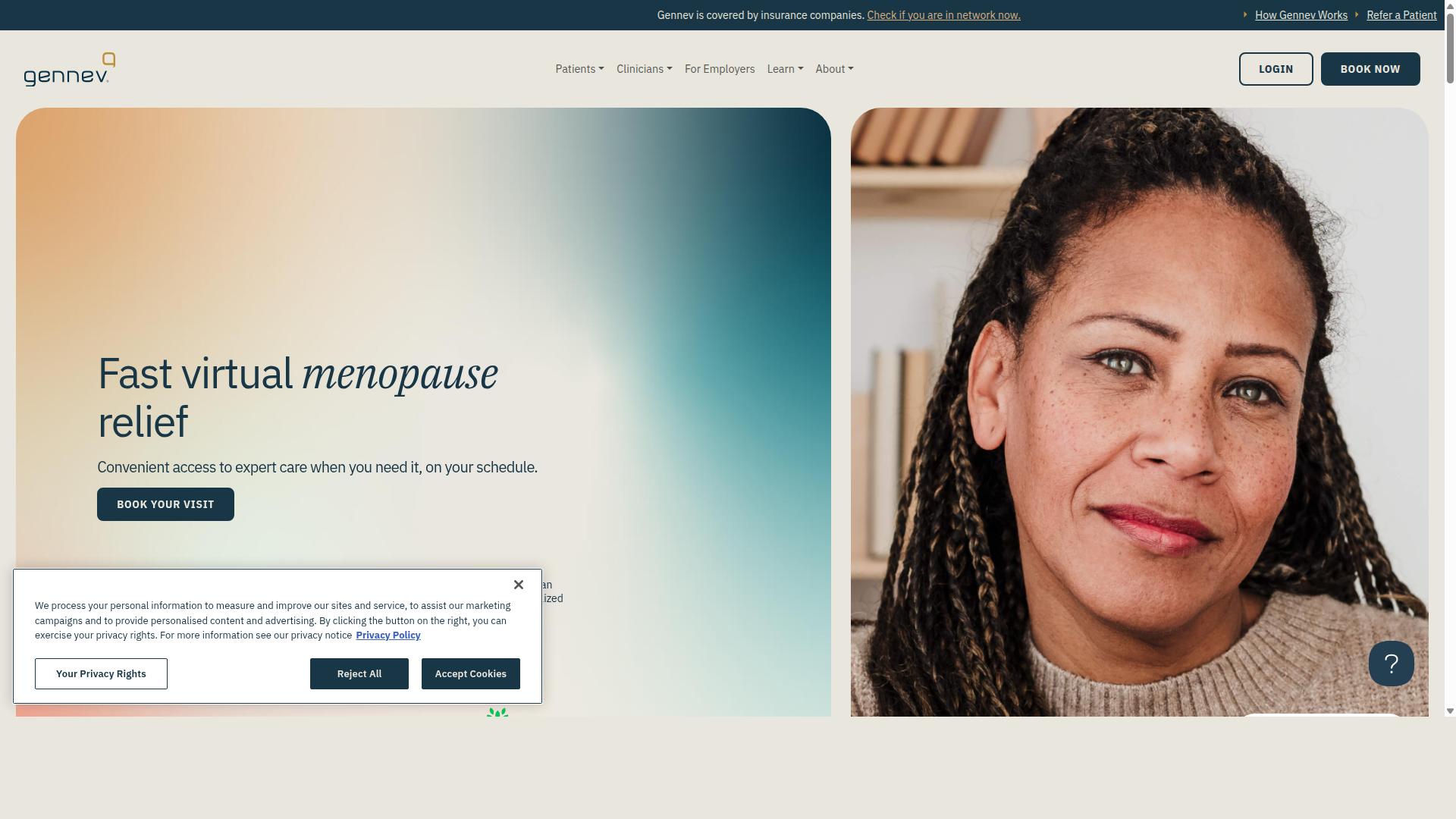
Gennev combines telehealth visits with a membership model focused on menopause care and education. This approach addresses a specific health niche that many women find underserved by traditional medical systems.
The service offers virtual appointments with menopause-trained doctors and registered dietitian nutritionists. Patients can access care across all 50 states without needing to travel to physical locations.
Provider costs include $250 for an initial doctor visit and $199 for follow-ups. Dietitian sessions start at $199 for the first appointment and $119 for subsequent visits.
Insurance coverage may apply depending on individual plans. Out-of-network benefits can also help offset expenses for those whose policies include such coverage.
Appointment lengths vary by provider type. Doctor visits run 30 minutes while dietitian sessions range from 50-55 minutes to allow thorough discussions.
The platform treats symptoms including hot flashes, night sweats, mood changes, brain fog, weight changes, and vaginal dryness. Additional concerns addressed include low libido, joint pain, fatigue, anxiety, and irregular periods.
How to Choose the Right Option
Selecting a perimenopause or menopause care platform requires matching personal health priorities to provider qualifications, medication options, and pricing transparency.
State licensing forms the foundation of any reliable service. Providers must hold active medical licenses in the states where they operate. This requirement protects patients and ensures compliance with local medical regulations.
Prescription oversight determines medication safety and effectiveness. Licensed medical professionals should review each case before prescribing treatments like hormone replacement therapy or GLP-1 medications.
- Compare monthly costs across GLP-1, HRT, and maintenance tiers to find plans that fit long-term budgets
- Check cancellation policies to understand notice periods and refund eligibility before committing
- Review medication sourcing to confirm all prescriptions come from licensed U.S. pharmacies
Women in perimenopause and menopause seeking hormone replacement therapy, weight management, or weight maintenance support benefit from platforms that integrate these decision criteria. Josie offers a membership model designed specifically for this audience.
The membership model provides ongoing access to care without repeated appointment scheduling. This structure supports consistent treatment adjustments as health needs change over time.
Transparent pricing across service tiers helps patients plan for extended care periods. Clear cancellation terms reduce financial risk when circumstances shift.
Final Verdict
Josie stands out for its provider-led integration of HRT, GLP-1 weight management, and weight maintenance with transparent pricing and no auto-billing.
The platform connects over 5,000 members with licensed providers who review every prescription before it is sent. This approach differs from many membership models that rely on automated approvals without provider oversight.
Over 5,000 prescriptions have been written through the system, showing consistent patient volume and provider engagement. The service operates across all 50 states and ships globally through certified U.S. pharmacies.
Batch-tested medications undergo checks for potency, sterility, pH, and endotoxins before reaching patients. Members report average weight loss of 10-12% with semaglutide or 12-15% with tirzepatide in the first six months.
Personalized care paths address perimenopause and menopause needs. The 4.9 average rating and recognition as the top menopause GLP-1 provider reflect strong member satisfaction with this membership approach.
Recommended Resources: